


| A B C D E F G H I J K L M N O P Q R S T U V W X Y Z # |
Cardio IQ® hs-CRP
Test Code91737
CPT Codes
86141
Preferred Specimen
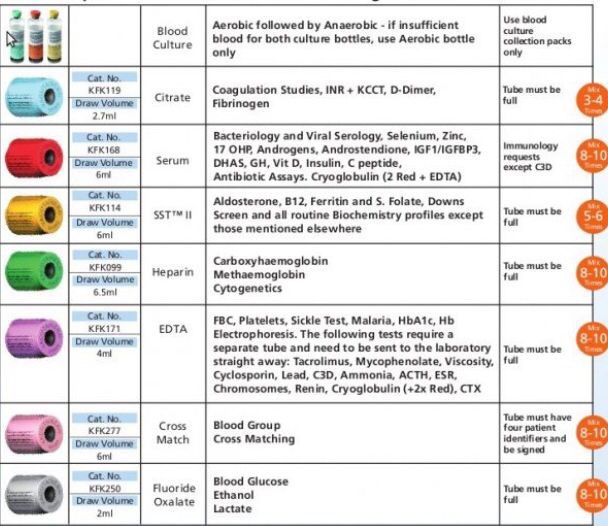
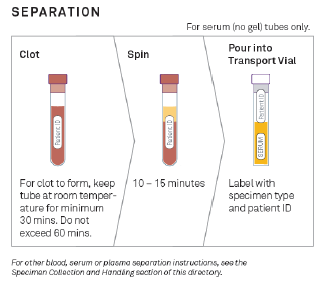
1 mL serum
Minimum Volume
0.5 mL
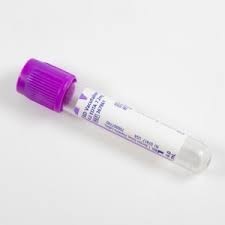
Transport Container
Transport tube
Transport Temperature
Refrigerated (cold packs)
Specimen Stability
Room temperature: 7 days
Refrigerated: 7 days
Frozen: 90 days
Refrigerated: 7 days
Frozen: 90 days
Methodology
Immunoturbidimetric
Setup Schedule
Mon-Fri
Clinical Significance
C-reactive protein (CRP) is a nonspecific acute-phase protein produced by the liver in response to tissue injury, infection, and inflammation. Levels within the normal, nonacute-phase range (<10 mg/L) can help assess cardiovascular risk. This test is used for this purpose because it can accurately determine CRP levels in the low range of 1 to 10 mg/L. A CRP test without high sensitivity cannot detect the relatively small elevations (<8.0 mg/L) of CRP that are associated with increased cardiovascular risk.
High-sensitivity CRP (hs-CRP) demonstrates a linear relationship with cardiovascular risk across a wide range of values: <1 mg/L is low risk; 1-3 mg/L is moderate risk; >3 mg/L is high risk.[1] Values >10 mg/L may reflect acute infection and should be repeated.[1] A study based on data from UK Biobank showed that individuals with hs-CRP >3 mg/L have a 34% increased risk of major adverse cardiovascular events and a 61% increased risk of cardiovascular death compared to those with levels <1 mg/L.[2]
The American College of Cardiology/American Heart Association Task Force recommends using hs-CRP test results as a possible risk enhancer for risk-based treatment decisions.[3] For patients with "borderline" or "intermediate" cardiovascular disease (CVD) risk (as determined by a quantitative risk assessment based on the pooled cohort equations for evaluating the 10-year risk of a CVD event), hs-CRP results may help determine if a moderate intensity statin treatment is appropriate.[3]
Individuals suitable for testing include those with stable or acute coronary heart disease (CHD). Testing is also suitable for those without a previous history of CHD, especially those with intermediate CHD risk.
The results of this test should be interpreted in the context of pertinent clinical and family history and physical examination findings.
References
1. Ridker P. JACC. 2016;67(6):712-723.
2. Kurt B, et al. Eur Heart J. 2025;00(0),1-12.
3. Grundy SM, et al. Circulation. 2019;139(25):e1082-e1143.
Performing Laboratory
| Cleveland HeartLab, Inc |
| 6701 Carnegie Avenue, Suite 500 |
| Cleveland, OH 44103-4623 |
Last Updated: November 6, 2024