


| A B C D E F G H I J K L M N O P Q R S T U V W X Y Z # |
Islet Cell Antibody Screen with Reflex to Titer
Test Code36741
CPT Codes
86341
Includes
If Islet Cell Antibody Screen is positive, then Islet Cell Antibody Titer will be performed at an additional charge (CPT code(s): 86341).
Preferred Specimen
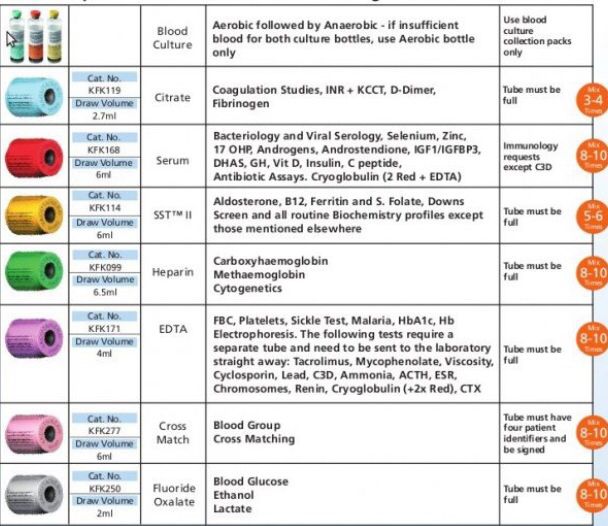
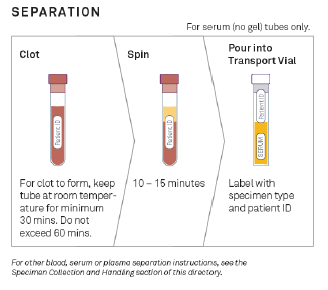
2 mL serum
Patient Preparation
Fasting specimen is preferred
Minimum Volume
0.5 mL
Transport Temperature
Refrigerated (cold packs)
Specimen Stability
Room temperature: 48 hours
Refrigerated: 14 days
Frozen: 6 months
Refrigerated: 14 days
Frozen: 6 months
Reject Criteria (Eg, hemolysis? Lipemia? Thaw/Other?)
Gross hemolysis • Grossly lipemic • Grossly icteric
Methodology
Immunofluorescence Assay (IFA)
FDA Status
This test was developed and its analytical performance characteristics have been determined by Quest Diagnostics. It has not been cleared or approved by the U.S. Food and Drug Administration. This assay has been validated pursuant to the CLIA regulations and is used for clinical purposes.
Setup Schedule
Set up: Mon-Thurs; Report available: 5-9 days
Clinical Significance
Key clinical use and differentiators
Measurement of Islet cell antigen 2 antibodies(IA-2) is used to: 1. Screen for presymptomatic T1D in individuals with a family history of type 1 diabetes (T1D) or those known to have a high-risk HLA genotype, 2. Distinguish between T1D, type 2 diabetes mellitus (T2D), and atypical forms of diabetes such as latent autoimmune diabetes in adults (LADA). [1] Positivity to IA-2 represents a key marker of T1D. [1]
Intended Clinical Use
This test is crucial for differentiating between T1D and T2D. It is important to note that classifying diabetes type can be challenging at the time of presentation, and misdiagnosis can occur in approximately 40% of adults with new T1D. [1]
Identifying individuals affected by stage 1 T1D is important for applying eligibility criteria to drugs, such as Teplizumab, which have demonstrated the ability to delay the transition of stage 1 to stage 3 T1D in clinical trials. [2,3]
IA-2 has some distinctive features. Its presence is associated with more-advanced islet autoimmunity and faster progression to stage 3 T1D. [4]
Limitations
T1D is classified into three stages, with stages 1 and 2 considered presymptomatic. Since the presence of stage 1 and 2 T1D requires at least two islet autoantibodies, relying solely on IA-2 as a screening test limits the ability to make an accurate diagnosis. Professional organizations, including the American Diabetes Association (ADA), recommend using tests for all four islet cell autoantibodies: IAA, glutamic acid decarboxylase (GAD65), Zinc Transporter 8 (ZnT8), and islet cell antigen 2 antibody (IA-2). [1]
References
1. American Diabetes Association Professional Practice C. 2. Diagnosis and Classification of Diabetes: Standards of Care in Diabetes-2025. Diabetes Care. 2025;48:S27-S49. doi: 10.2337/dc25-S002
2. Herold KC, Gitelman SE, Gottlieb PA, Knecht LA, Raymond R, Ramos EL. Teplizumab: A Disease-Modifying Therapy for Type 1 Diabetes That Preserves beta-Cell Function. Diabetes Care. 2023;46:1848-1856. doi: 10.2337/dc23-0675
3. Ramos EL, Dayan CM, Chatenoud L, Sumnik Z, Simmons KM, Szypowska A, Gitelman SE, Knecht LA, Niemoeller E, Tian W, et al. Teplizumab and beta-Cell Function in Newly Diagnosed Type 1 Diabetes. N Engl J Med. 2023;389:2151-2161. doi: 10.1056/NEJMoa2308743
4. Decochez K, De Leeuw IH, Keymeulen B, Mathieu C, Rottiers R, Weets I, Vandemeulebroucke E, Truyen I, Kaufman L, Schuit FC, et al. IA-2 autoantibodies predict impending type 1 diabetes in siblings of patients. Diabetologia. 2002;45: 1658-1666. doi: 10.1007/s00125-002-0949-8
Measurement of Islet cell antigen 2 antibodies(IA-2) is used to: 1. Screen for presymptomatic T1D in individuals with a family history of type 1 diabetes (T1D) or those known to have a high-risk HLA genotype, 2. Distinguish between T1D, type 2 diabetes mellitus (T2D), and atypical forms of diabetes such as latent autoimmune diabetes in adults (LADA). [1] Positivity to IA-2 represents a key marker of T1D. [1]
Intended Clinical Use
This test is crucial for differentiating between T1D and T2D. It is important to note that classifying diabetes type can be challenging at the time of presentation, and misdiagnosis can occur in approximately 40% of adults with new T1D. [1]
Identifying individuals affected by stage 1 T1D is important for applying eligibility criteria to drugs, such as Teplizumab, which have demonstrated the ability to delay the transition of stage 1 to stage 3 T1D in clinical trials. [2,3]
IA-2 has some distinctive features. Its presence is associated with more-advanced islet autoimmunity and faster progression to stage 3 T1D. [4]
Limitations
T1D is classified into three stages, with stages 1 and 2 considered presymptomatic. Since the presence of stage 1 and 2 T1D requires at least two islet autoantibodies, relying solely on IA-2 as a screening test limits the ability to make an accurate diagnosis. Professional organizations, including the American Diabetes Association (ADA), recommend using tests for all four islet cell autoantibodies: IAA, glutamic acid decarboxylase (GAD65), Zinc Transporter 8 (ZnT8), and islet cell antigen 2 antibody (IA-2). [1]
References
1. American Diabetes Association Professional Practice C. 2. Diagnosis and Classification of Diabetes: Standards of Care in Diabetes-2025. Diabetes Care. 2025;48:S27-S49. doi: 10.2337/dc25-S002
2. Herold KC, Gitelman SE, Gottlieb PA, Knecht LA, Raymond R, Ramos EL. Teplizumab: A Disease-Modifying Therapy for Type 1 Diabetes That Preserves beta-Cell Function. Diabetes Care. 2023;46:1848-1856. doi: 10.2337/dc23-0675
3. Ramos EL, Dayan CM, Chatenoud L, Sumnik Z, Simmons KM, Szypowska A, Gitelman SE, Knecht LA, Niemoeller E, Tian W, et al. Teplizumab and beta-Cell Function in Newly Diagnosed Type 1 Diabetes. N Engl J Med. 2023;389:2151-2161. doi: 10.1056/NEJMoa2308743
4. Decochez K, De Leeuw IH, Keymeulen B, Mathieu C, Rottiers R, Weets I, Vandemeulebroucke E, Truyen I, Kaufman L, Schuit FC, et al. IA-2 autoantibodies predict impending type 1 diabetes in siblings of patients. Diabetologia. 2002;45: 1658-1666. doi: 10.1007/s00125-002-0949-8
Performing Laboratory
| Quest Diagnostics Nichols Institute-San Juan Capistrano, CA |
| 33608 Ortega Highway |
| San Juan Capistrano, CA 92675-2042 |
Last Updated: May 19, 2016